


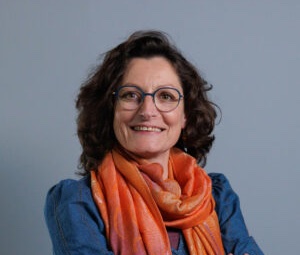
Photo provided by Geraldine Chinasa Kene and used with permission.
The Igbo language is spoken by approximately 31 million people, mainly in the southeastern part of Nigeria, where it has national language status. Although there is debate about whether Igbo is an endangered language, it can be considered vulnerable. Compared to many other languages of similar size, the amount of digital content available in Igbo is much smaller than its number of regional speakers would suggest.
Members of the Global Voices in Igbo project have been working to change that, while also improving and developing their own skills translating into their native language. Started in 2019, the site has been experiencing a revival under the leadership of co-managers, Chinwendu Peace and Lucy Iwuala, who have been supporting this team. In September 2026 alone, the team published 18 translations, and so far in October, there have been 21 translations and counting.
Here on the GV Community Blog, we introduce some of the translators working to make Igbo more visible online.
Geraldine Chinasa Kene is from the Awgu Local Government Area of Enugu state, Nigeria, and currently resides in Enugu.
Global Voices (GV): How did you start translating into Igbo?
Geraldine Chinasa Kene (GCK): I started translating into Igbo from the Igbo Wikimedians User Group.
GV: What motivates you to translate, and why does it matter to you that others can get news and information in Igbo?
GCK: What motivates me to translate is the joy of seeing that information is made available in my own indigenous language. It matters to me that others can get news and information in Igbo because making stories available in Igbo is a way of promoting my language, making it visible and accessible to others. It is also a way of documenting and preserving the Igbo language, and saving it from going into extinction.
GV: What are the biggest challenges in translating into Igbo, and how do you handle them?
GCK: Some of the biggest challenges I face in translating into Igbo are: maintaining the tone and style used in the source text, translating terms with no established equivalent in Igbo language and translating specialized and technical terms.
When handling such challenges, I take my time to translate carefully, ensuring that I preserve the tone and style of the source text. This is important because changes in tone or style can affect the meaning and intended message of the original text. For terms with no established equivalent in Igbo language, I give the translations as explanations most times, instead of inventing terms that are not recognized by anybody. Then for specialized and technical terms, I try as much as possible to consult books, dictionaries, and other reference materials to avoid giving the wrong translation. In a situation where I'm not able to find a suitable equivalent for a technical term, I use the English term in the translation, instead of inventing my own word for it.
GV: What advice would you give someone starting to translate into African languages?
GCK: The first advice I would give to someone starting to translate into African languages is to learn the do's and don'ts of translation before anything. Secondly, the person should always try to maintain the original tone and style used in a source text in his/her translation. He/she should also have a little knowledge of the African cultural to avoid eliminating some cultural nuances while translating.
GV: What would help translators of Igbo and other African languages feel more connected and supported?
GCK: I believe translators of Igbo and other African languages would feel more supported through a community where we can share experiences, learn from one another, and access useful resources. I would love to see our work recognised, our voices heard, and more opportunities for collaboration. For me, it’s about feeling connected and working together to preserve our languages, culture, and heritage for future generations.



1 comment
Great work, Geraldine! Thanks for all that you do with Global Voices to promote the Igbo language online.